Backlighting: Adding Depth to Conference Photography
November 24, 2026
Behind the Scenes of Event Photography: More Than Taking Pictures
November 24, 2026
10 Essential Photos for a Professional Conference

Conference photos tell the story of the day and keep the event alive long after it ends. For example, a wide shot reveals the scale of the gathering, while a candid interaction captures its atmosphere.
But once the event is over, what remains?
Photography plays an essential role in extending the life of a conference, recognizing the people who contributed to its success and supporting your organization’s communications.
As an event photographer, I look for images that help tell a complete story. Here are the ten types of conference photos I recommend planning for your next professional event.
Short on time?
Discover three types of conference photos that are often overlooked in this short video, recorded in French.
1. A Wide Shot of the Conference
This is often one of the most impressive photographs of an event.
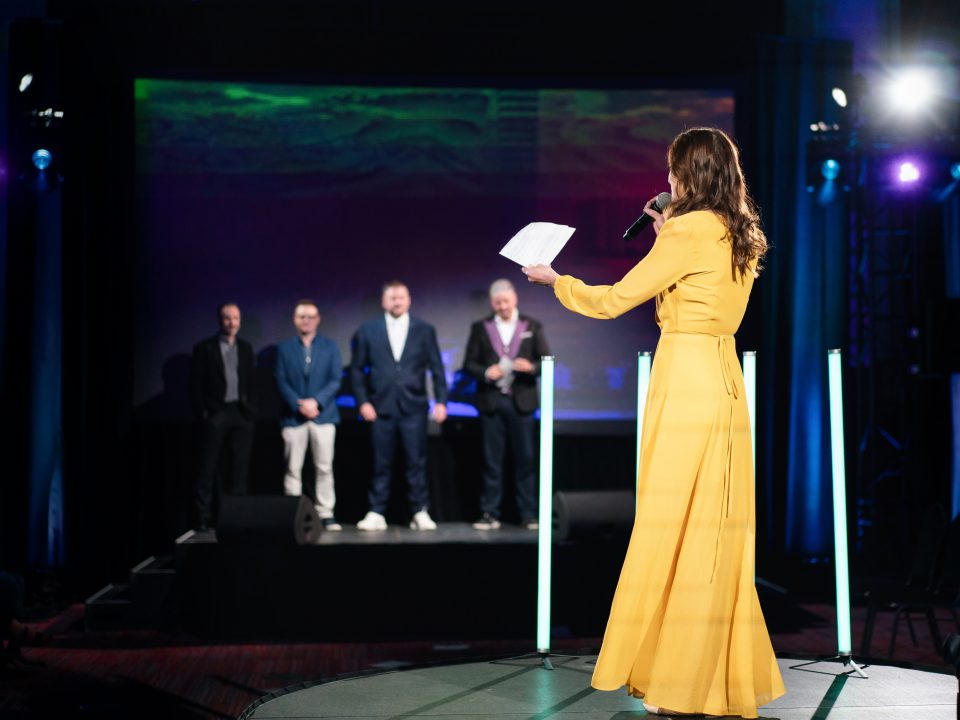
As illustrated in this photo story from the Palais des congrès de Montréal, a wide shot reveals the scale of the conference, the room layout and the overall atmosphere.
I particularly enjoy finding angles that highlight the venue’s architecture, lighting and audience.
These images are ideal for annual reports, corporate presentations and the promotion of future editions.
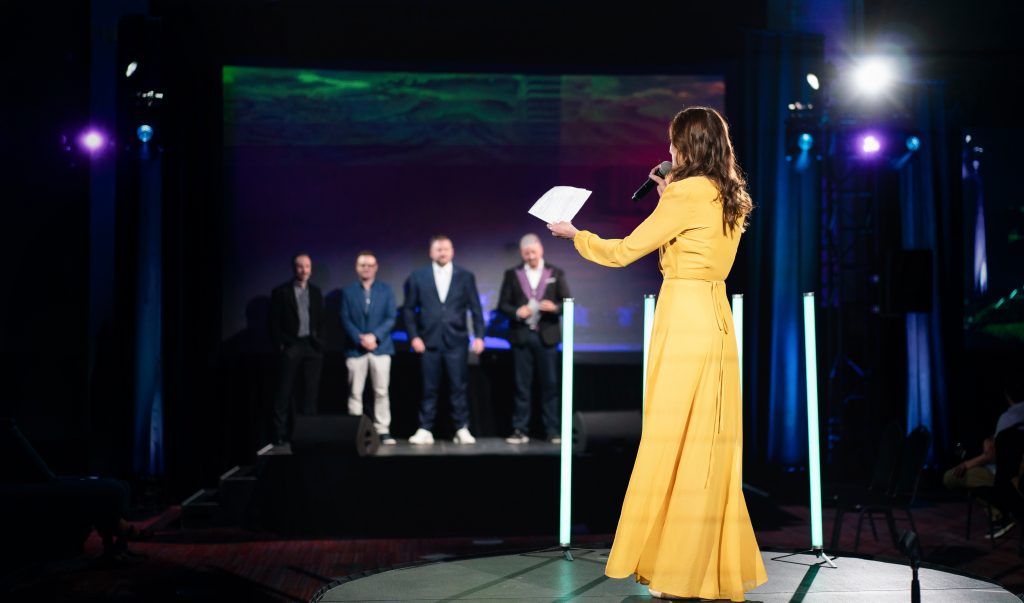
2. Speakers in Action
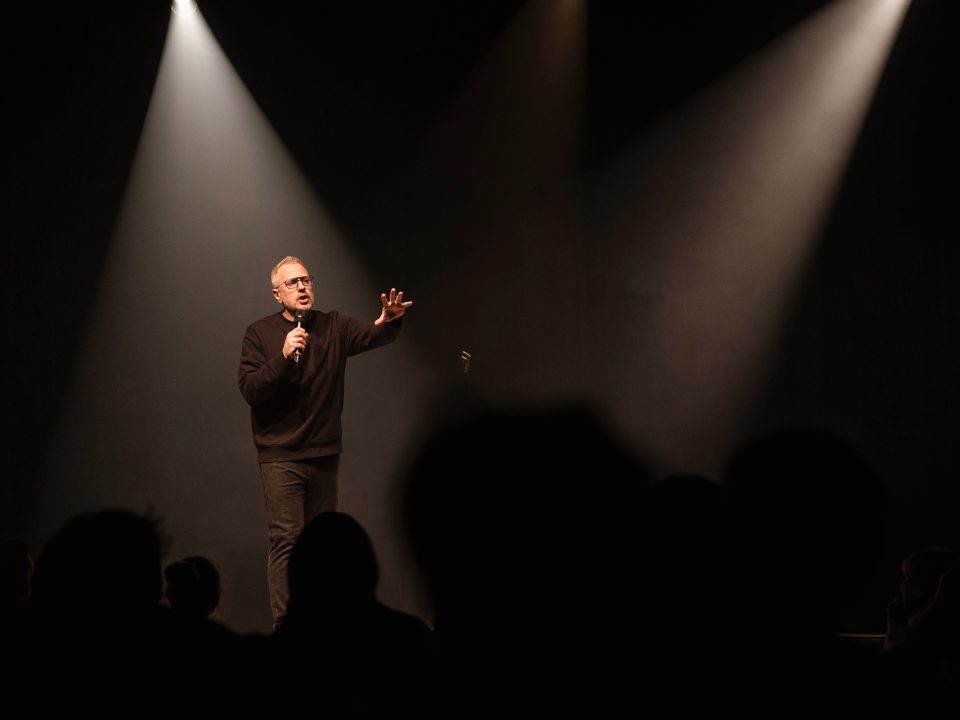
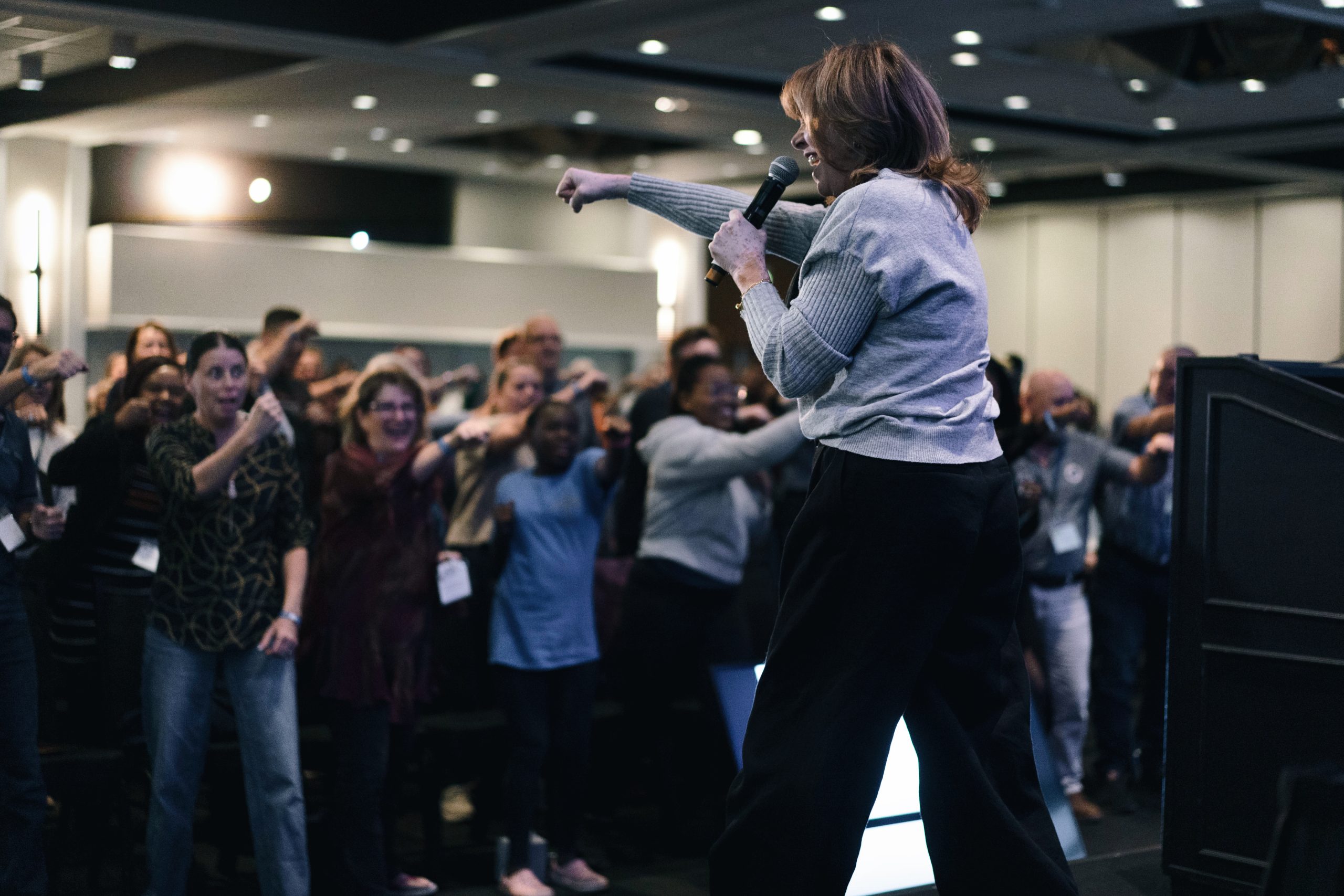
A posed portrait of a speaker has its place. However, a photograph taken during a presentation can convey so much more.
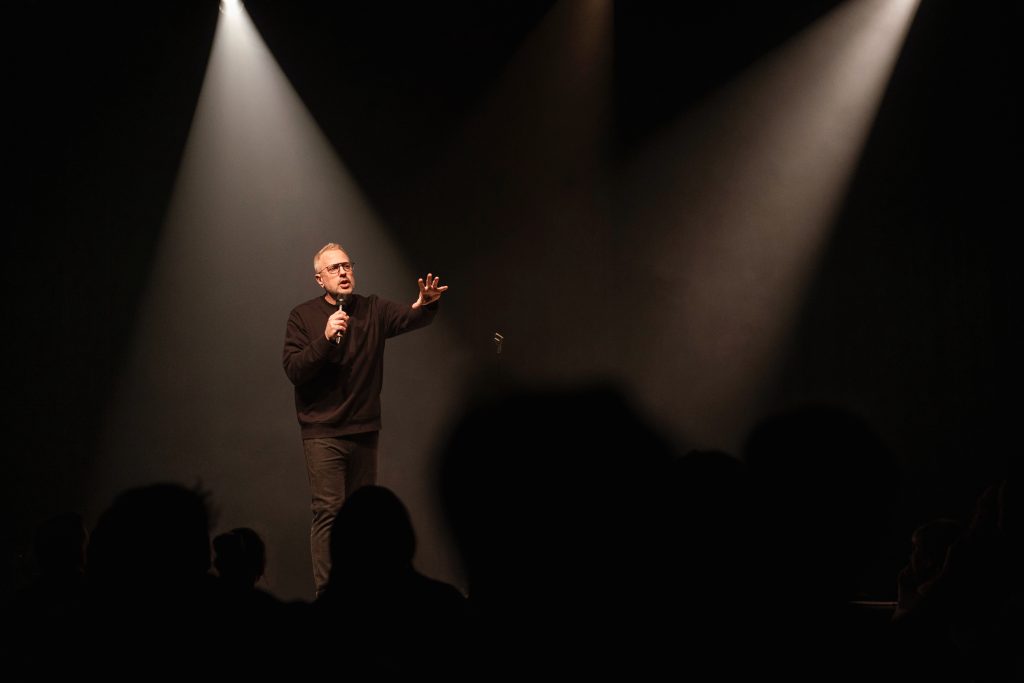
An expressive gesture, an engaged look or an interaction with the audience can capture the energy of a keynote speech.
During this conference in Lévis, I waited for a gesture or expression that conveyed the speaker’s presence on stage.
3. Audience Reactions
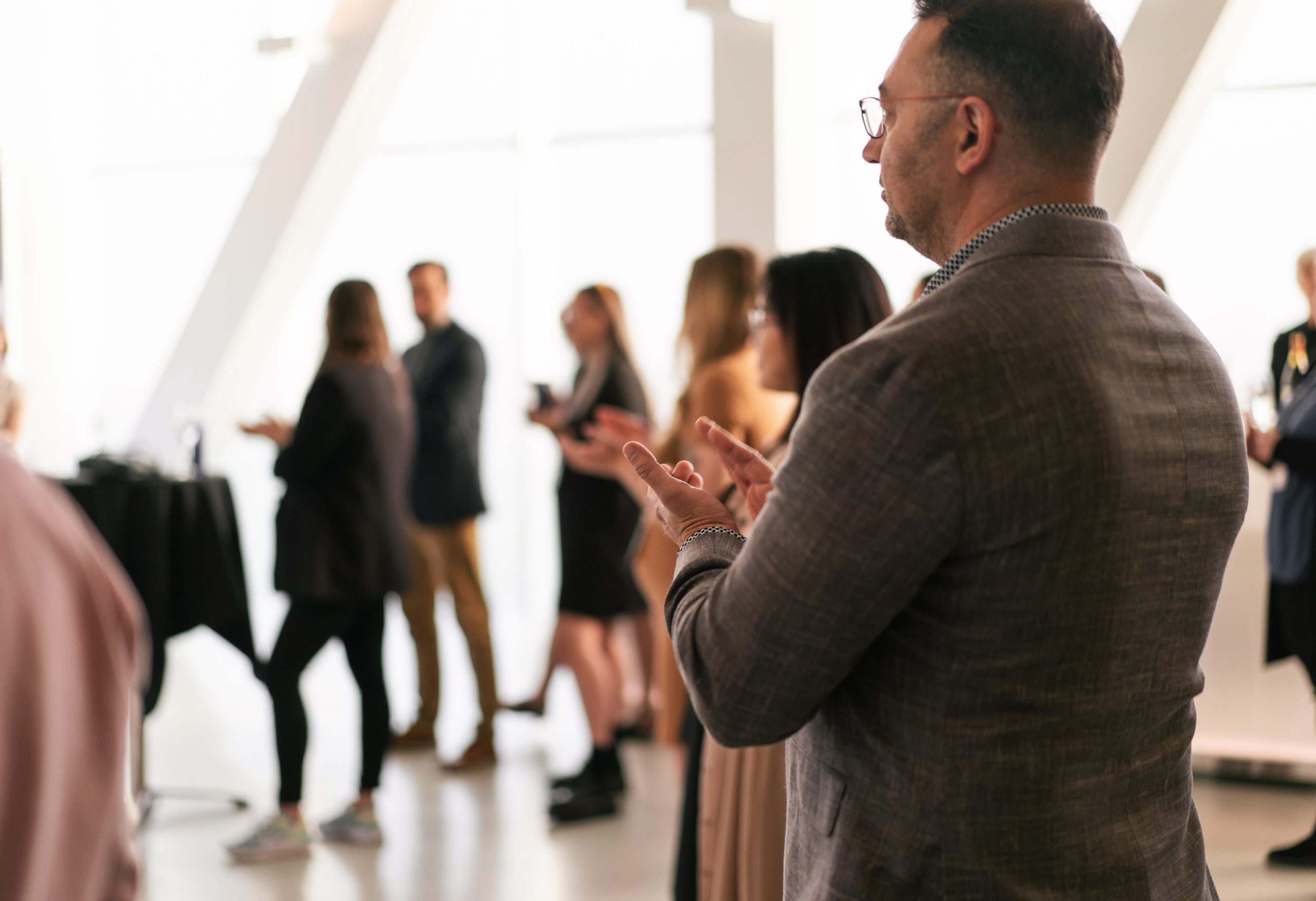
The audience is an essential part of every conference.
Smiles, attentive expressions, applause and spontaneous reactions help tell the story of the participants’ experience.
These photographs bring a human dimension to your event coverage and reflect the audience’s engagement with the presentations.
4. Details That Capture the Atmosphere
Signage, name badges and lighting give each event its own character. I enjoy photographing these details because they help recreate the atmosphere and provide useful visual content for social media.
During the Fleur de Lys project unveiling, I photographed the architectural model and visual projections. These images show how guests discovered the future development throughout the evening.
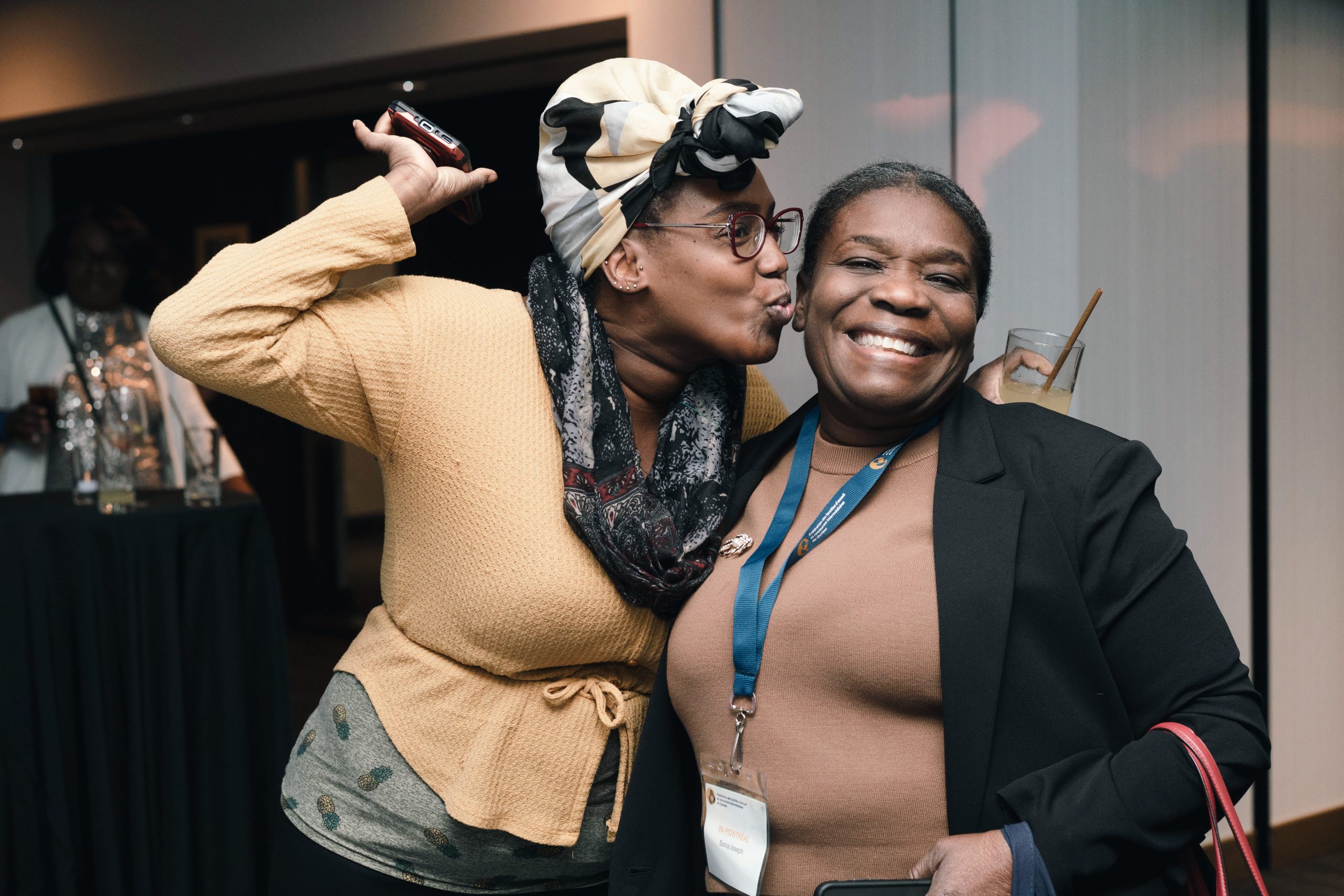
5. Networking Moments
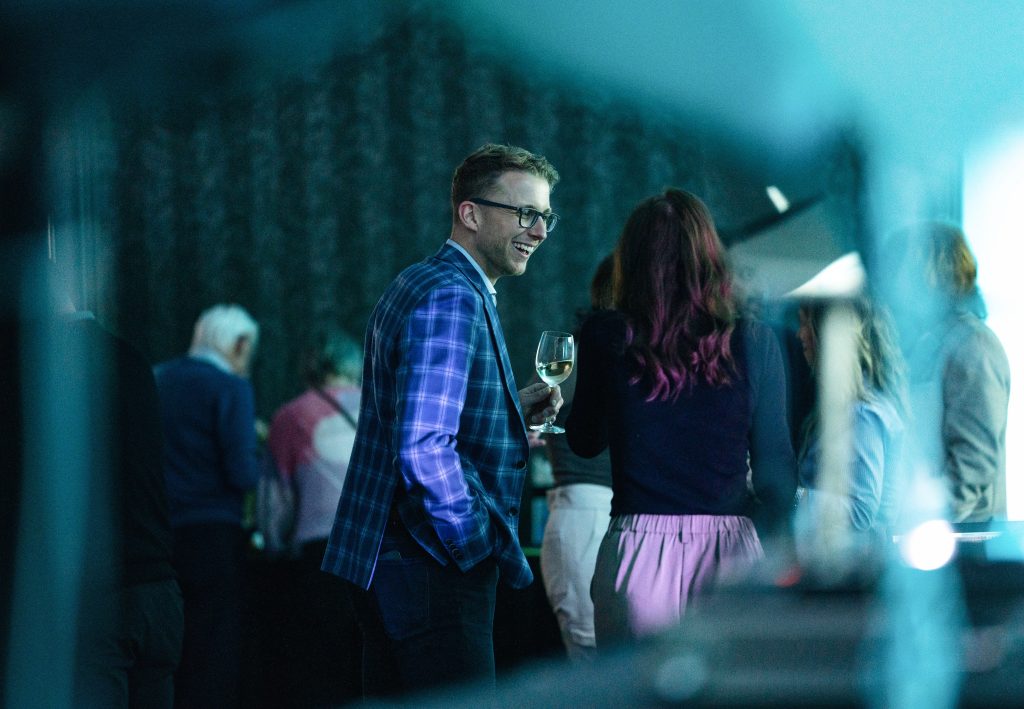
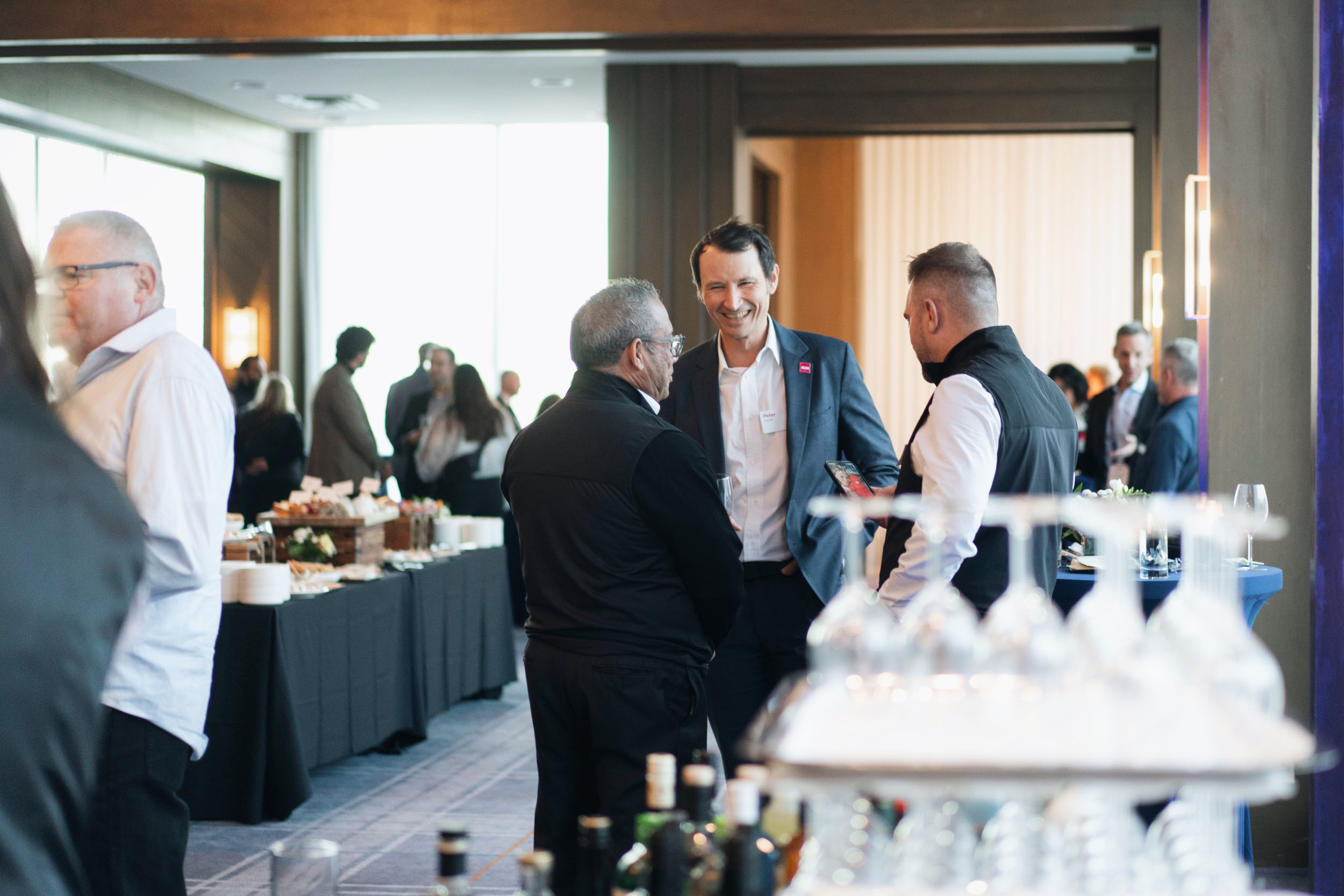
Many attendees come to conferences to connect with other professionals.
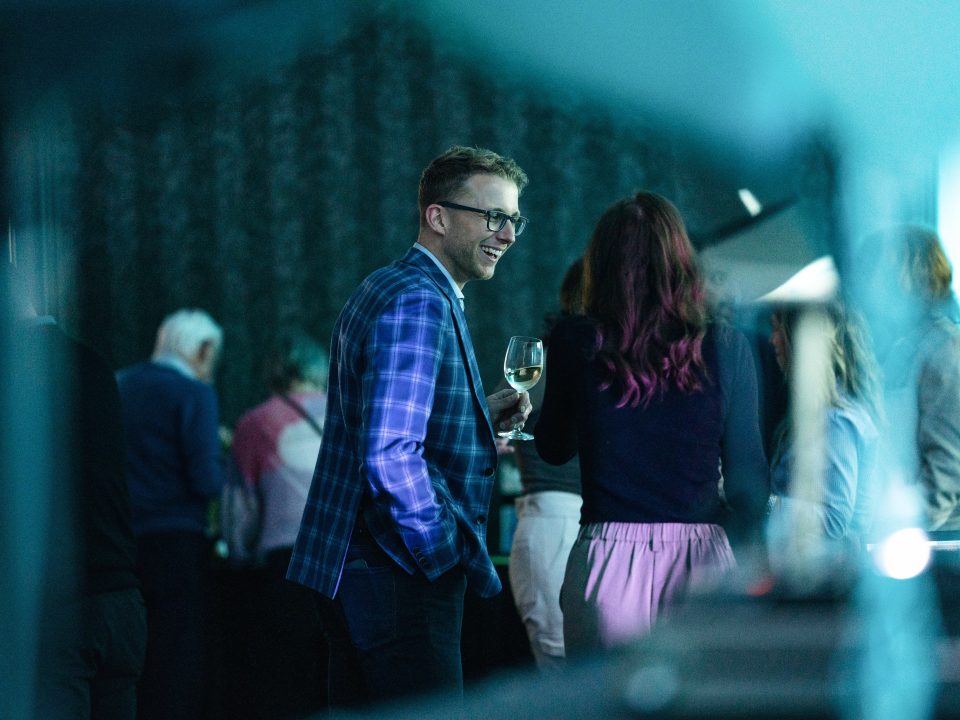
Lively conversations, handshakes, reunions with colleagues and new connections are all moments worth capturing.
During networking sessions, I work discreetly and observe natural interactions. The photos from this corporate cocktail reception at Hilton Quebec illustrate what this approach allows me to capture: a spontaneous laugh, a meaningful glance or a gesture in the middle of a conversation.
My goal is to let attendees fully enjoy their experience while capturing photographs that reflect the genuine atmosphere of the event.
6. Partners and Sponsors
Partners and sponsors often play an important role in the success of a professional conference.
Therefore, it is worth planning photographs that highlight their involvement. These might include exhibition booths, branded installations, signage or interactions with attendees.
Such photographs are valuable for sponsorship reports, partner communications and future collaborations.
7. Highlights and Genuine Emotions
Every conference has its memorable moments.
These may include a standing ovation, an award presentation, an important announcement or a particularly moving interaction.
Such moments can be unpredictable and may last only a few seconds.
This is why anticipation and observation are essential in professional event photography.
The most memorable images are often those that capture genuine emotion.
8. Panel Discussions and Conversations
Roundtables and panel discussions offer many photographic opportunities.
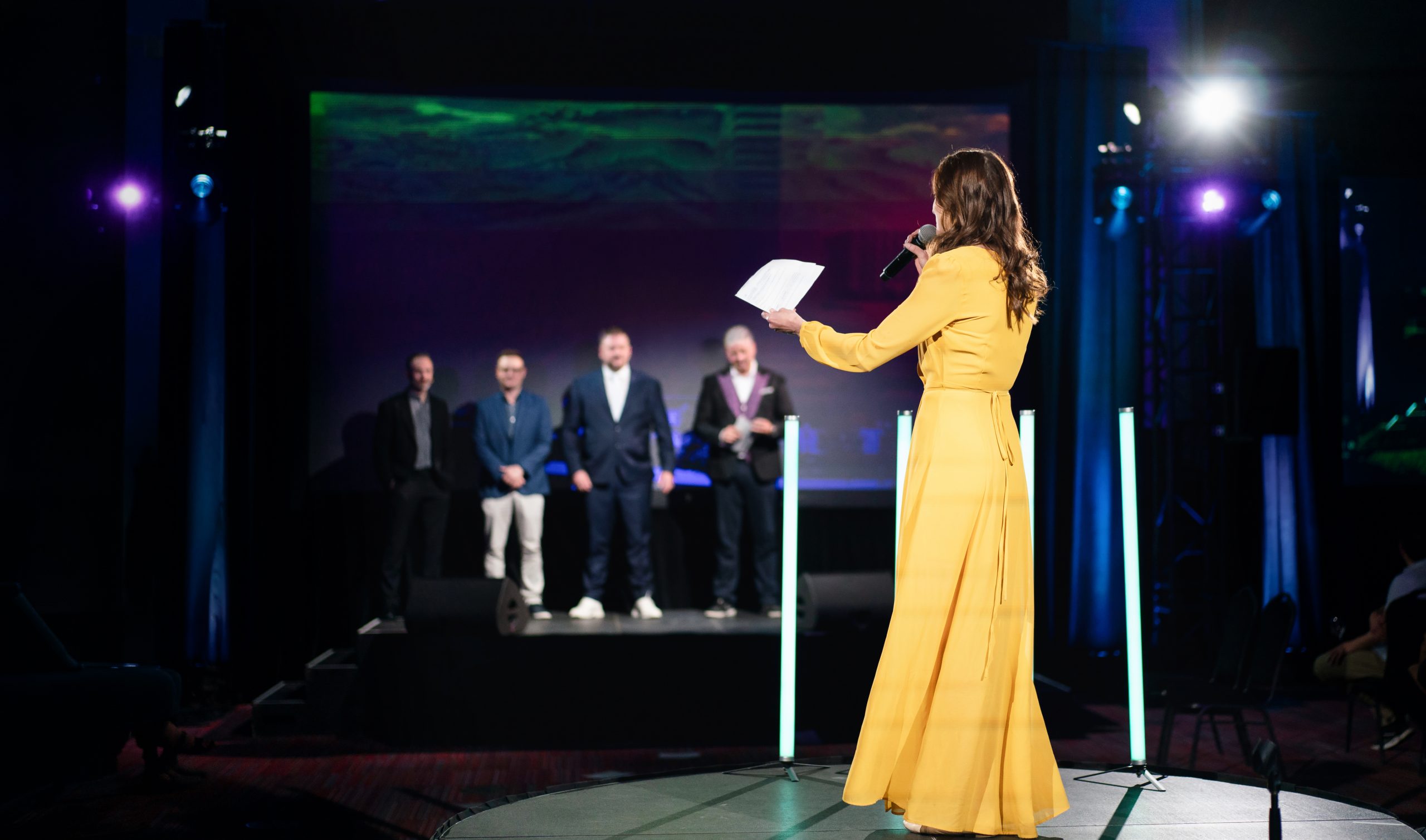
Alongside wider photographs of the speakers on stage, I look for meaningful interactions. These might include a shared smile, a spontaneous reaction or one panelist addressing another.
Photographing the panel at One King West Hotel from the side of the stage let me keep the speaker at the microphone in the foreground and the other panelists in the frame.
These moments bring energy and movement to the photographs.
9. Portraits of Organizers and Event Teams
Behind every conference is a team that has worked for weeks, sometimes months, to make it a success.
Taking a few portraits of the organizers, volunteers and collaborators is a wonderful way to recognize their contributions.
Afterwards, these photographs can be used for internal communications, LinkedIn posts or messages of appreciation.
10. A Signature Image of the Conference
If you could choose just one photograph to represent your conference, which would it be?
This is a question I like to keep in mind throughout my event coverage.
I always look for an image that brings several elements together: beautiful light, a strong composition, genuine emotion or a distinctive atmosphere.
Sometimes, this photograph becomes the event’s signature image, the one that immediately captures attention and inspires people to attend the next edition.
Whenever I photograph an event, I give myself a personal creative challenge: finding that one photograph capable of capturing the atmosphere of the entire day.
Sometimes, an unexpected composition, a spontaneous interaction or a particularly beautiful moment of light creates the most memorable image of the event.
Making the Most of Your Conference Photos After the Event
Professional conference photography creates a cohesive and versatile collection of images that tells the story of your event from different perspectives.
By identifying your priorities before the conference, you will receive images that are easier to incorporate into your communications.
My guide on how to use your conference photos after the event explains how to select images for your communications, sponsors and the promotion of your next edition.
For further guidance, discover my tips for preparing your conference or gala photography coverage.
To obtain a collection of images that supports your communication objectives, it’s important to plan coverage that suits your event schedule. My event photography pricing guide will help you plan this investment.
Are you organizing a conference in Quebec City? Discover my approach to professional event photography and how we can bring your next event to life through images.