How Many Hours of Event Photography Coverage Do You Need for a Conference or Gala?
November 24, 2026
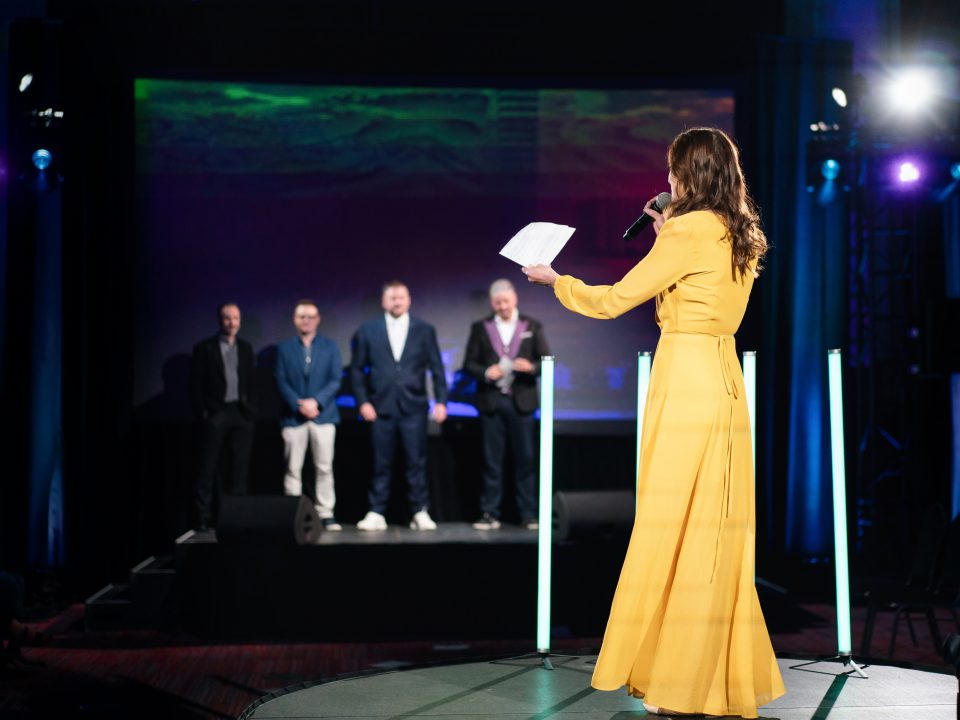
Photographing a Corporate Reception and Conference at Hotel X Toronto
November 24, 2026
How to Choose a Conference Photographer in Quebec City
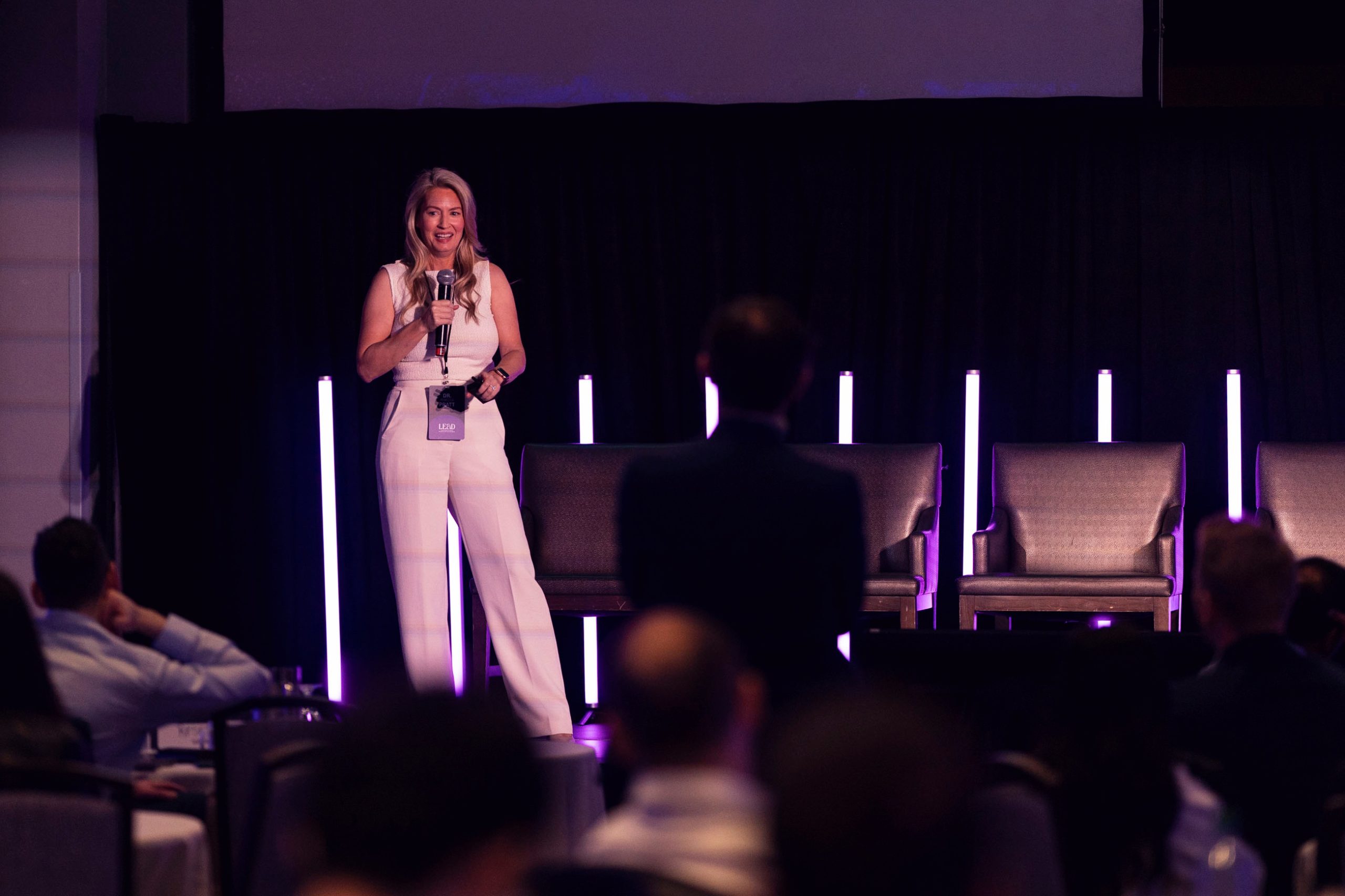
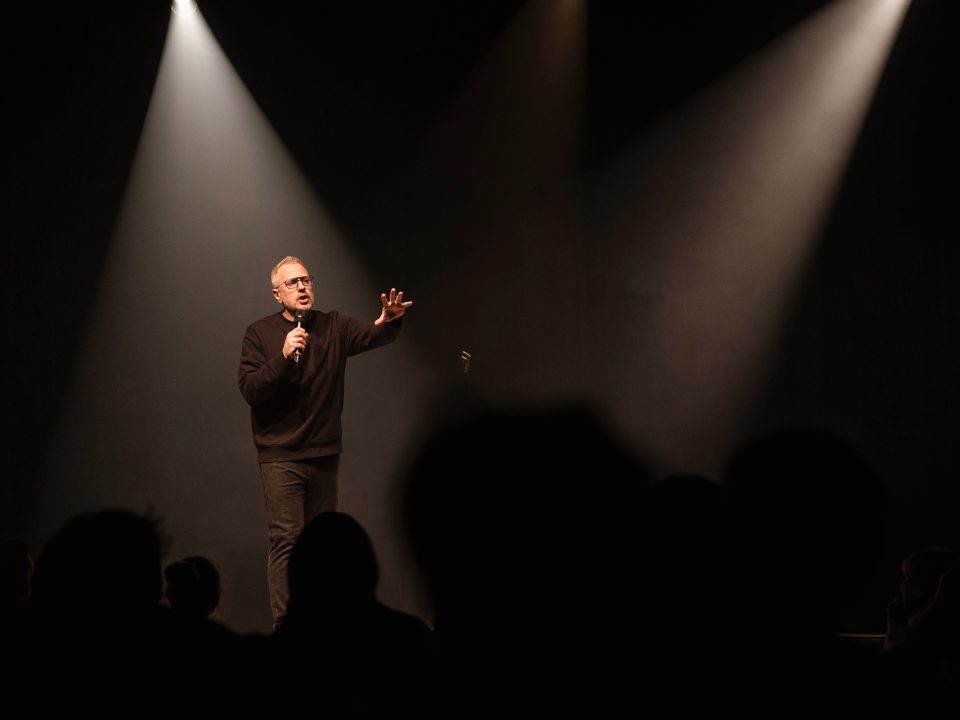
When you choose a conference photographer in Quebec City, start by looking at how their images tell the story of an entire day. Look for photographs of speakers, audience reactions, conversations during breaks and the presence of event partners.
Next, discuss your event schedule and how your team plans to use the photographs afterwards. These two steps will help you ask the right questions before booking.
How to Choose a Conference Photographer by Reviewing a Complete Gallery
When reviewing a portfolio, ask to see a complete event gallery that the photographer has permission to share. Take a few minutes to browse through the images in sequence. Can you get a sense of the venue, the flow of the day and the atmosphere?
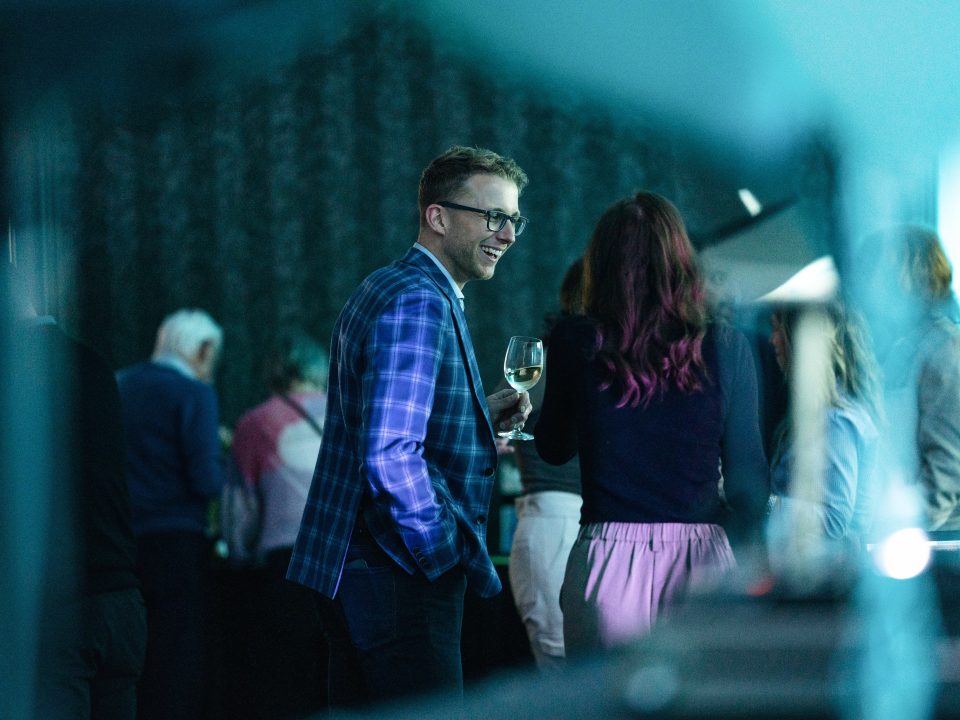
Notice how the photographer moves from wide shots to expressive moments on stage or candid conversations between sessions.
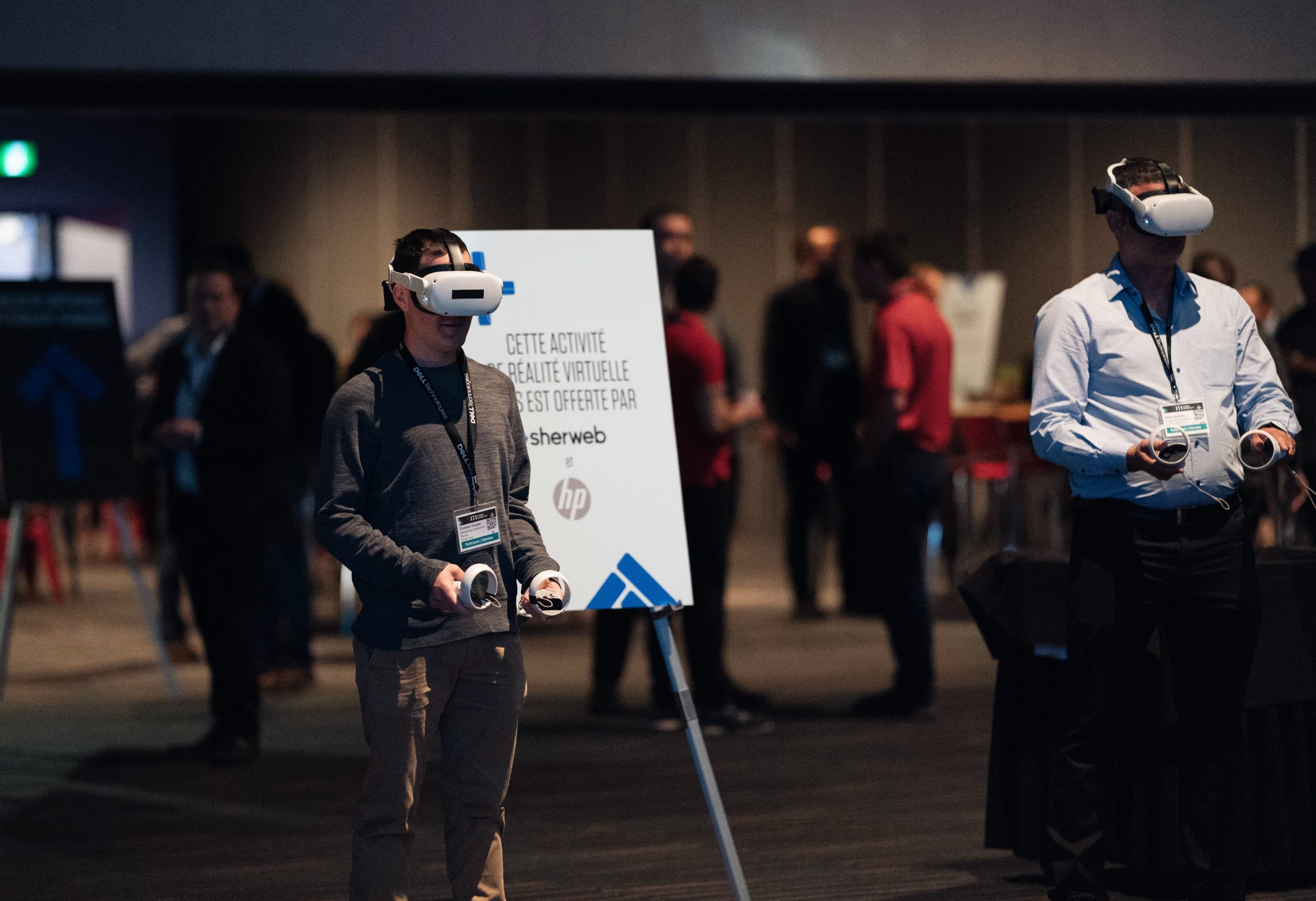
Pay particular attention to situations similar to your own event. If you are organizing a conference with exhibitors, look at how their booths and interactions with visitors are photographed.
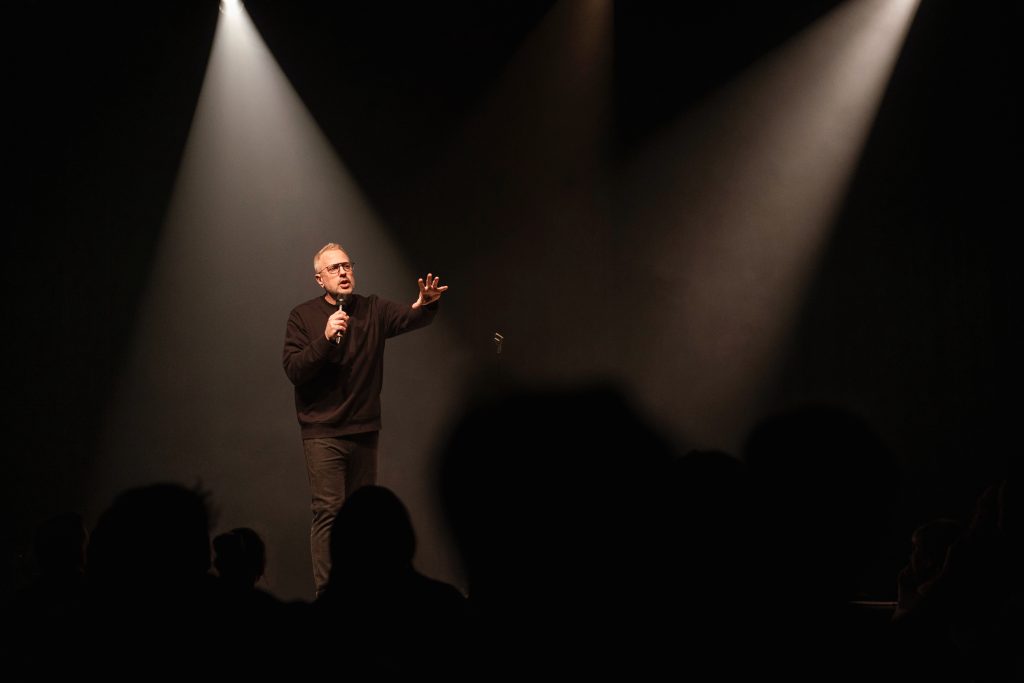
If your program focuses primarily on presentations, look for images that showcase both the speakers on stage and the audience’s engagement.
Discuss Concurrent Conference Sessions
Share your event program, even if it is still preliminary. First, identify your priority sessions and the rooms where they will take place. Then, highlight any overlapping activities.
If two essential moments occur simultaneously, ask how they could be covered. Depending on the schedule, a second photographer may be helpful.
During a technology conference in Montreal, I provided nine hours of photography coverage, from the main stage presentations to the beginning of the cocktail reception.
Throughout the afternoon, I photographed 25 conference sessions across several rooms. With limited time in each room, I quickly identified angles that could capture the presentation and its setting.
For one photograph, I positioned myself at the back of the room to include both the speaker and her audience in the same frame. Explore the full Montreal conference photography story.
Once you’ve identified your priority sessions, note the time of the first and last moments you want photographed. If you’re deciding between a few hours and full-day coverage, my guide explains how many hours of event photography coverage you may need.
Explain How You Plan to Use Your Conference Photos
Before meeting with your photographer, identify two or three priority uses for your images. Does your team want to publish a LinkedIn recap, prepare a sponsorship report or announce the next edition?
These decisions influence the moments to capture and the compositions to create.
For example, if you need a banner image for your registration page, let me know before the conference. I can plan a horizontal composition with enough space for a title and date.
For a sponsorship report, I will also pay particular attention to your partners’ exhibition spaces and their interactions with attendees.
Discover how to make the most of your conference photos after the event.

Clarify Photo Delivery and Usage Rights Before Booking
Ask when the complete gallery will be delivered and how your team will be able to download the photographs.
If you’re planning to publish a recap the day after the conference, discuss whether a small selection of images can be delivered sooner.
Also clarify whether the photographs will be used by your organization, sponsors or speakers, so that these intended uses can be addressed in the photography agreement.
When you choose a conference photographer, compare what each proposal includes. Review the scheduled coverage, delivery timeline and image usage rights.
For example, if your partners intend to publish photographs on their own communication channels, discuss this before confirming your booking.
Are you organizing a conference in Quebec City? Send me your event program, even if it is still preliminary. Together, we can identify the moments to capture and the images that will be most valuable to your team. Let’s discuss your conference.