How to Use Your Conference Photos After the Event
November 24, 2026
How to Choose a Conference Photographer in Quebec City
November 24, 2026
How Many Hours of Event Photography Coverage Do You Need for a Conference or Gala?
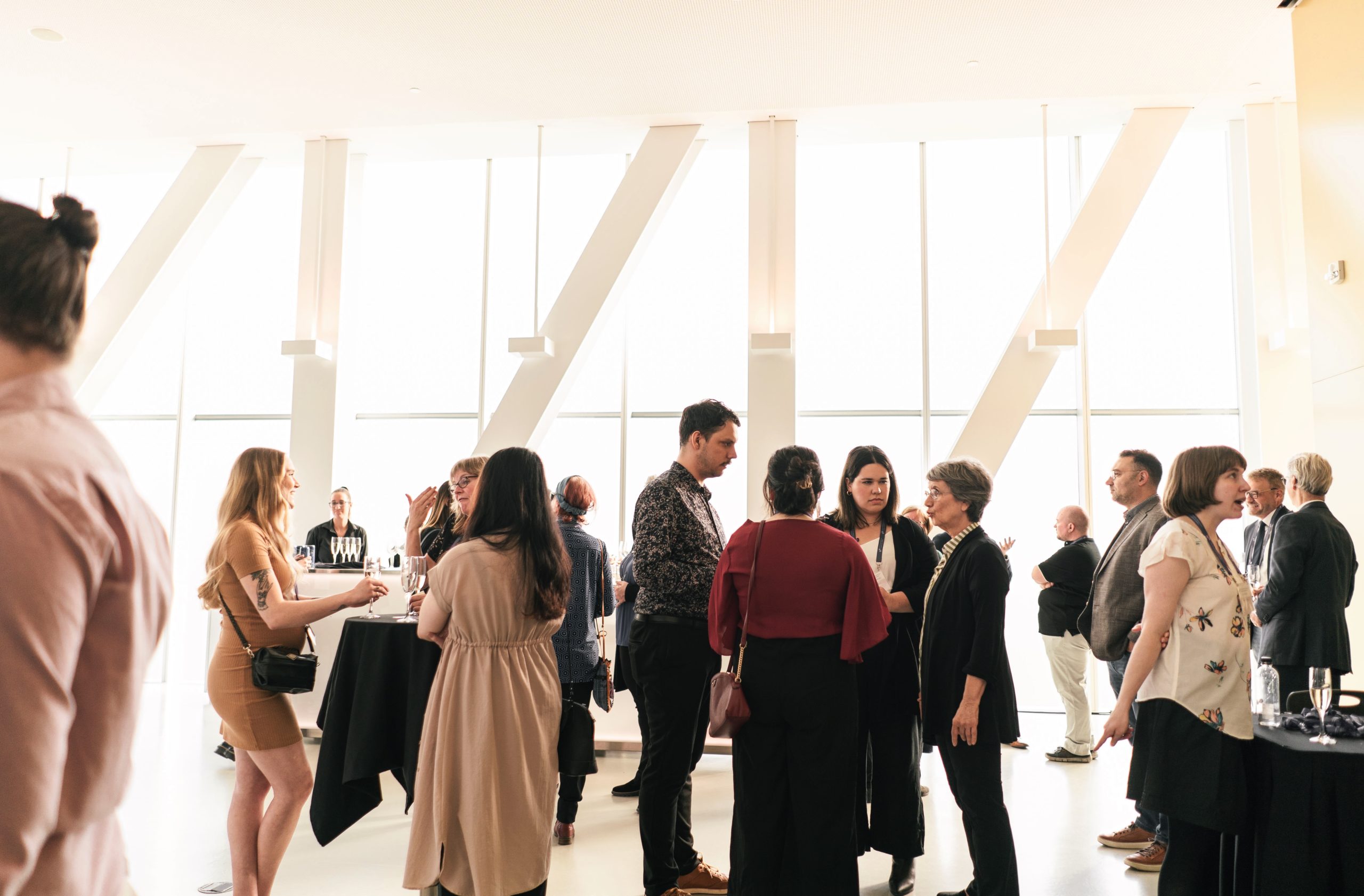
When determining how many hours of event photography coverage you need, I start by looking at your schedule. A two-hour cocktail reception can provide enough time to capture guest arrivals, conversations and the atmosphere. For a full-day conference, start by identifying the moments your team wants to see in the final gallery.
Here are three examples from my professional assignments, followed by a simple way to determine how much photography coverage your own event requires.
2 Hours for a Corporate Cocktail Reception at Hilton Quebec
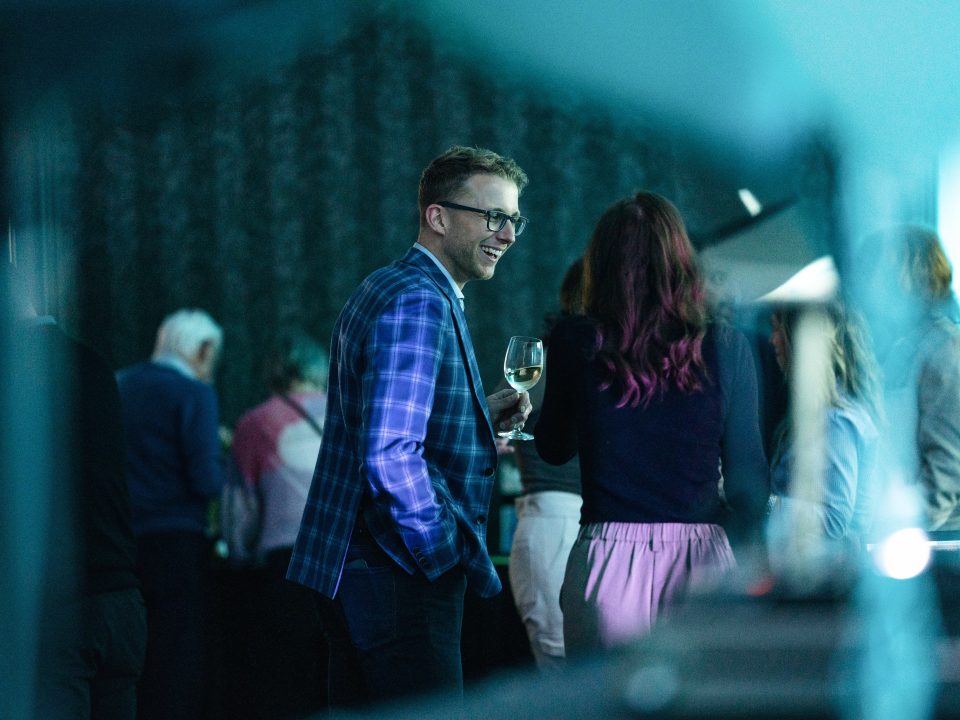
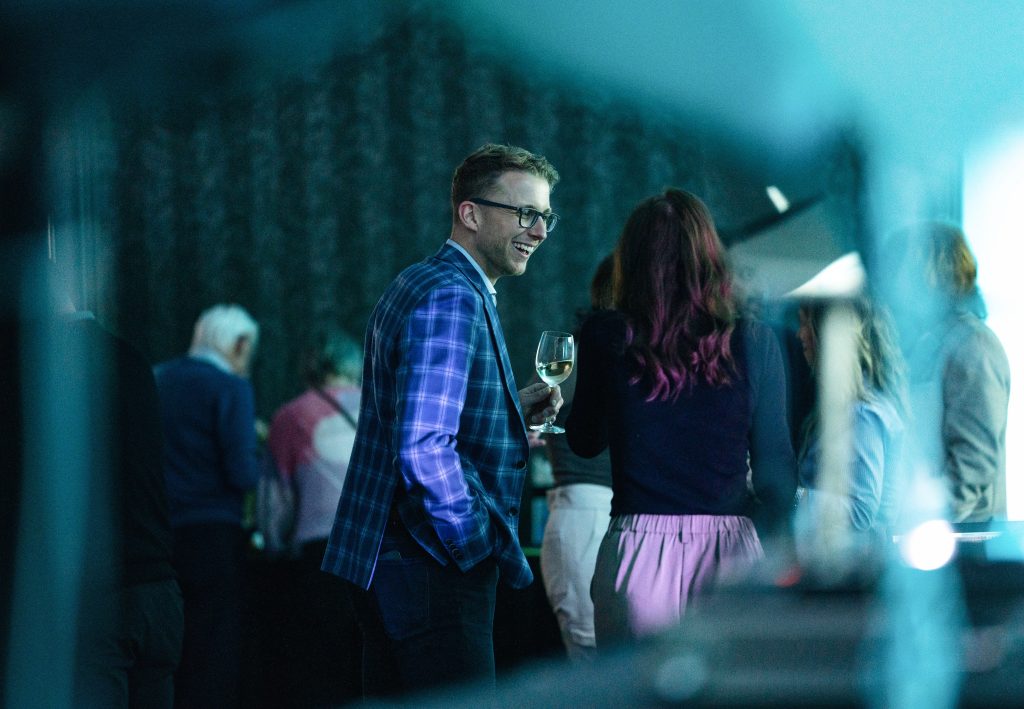
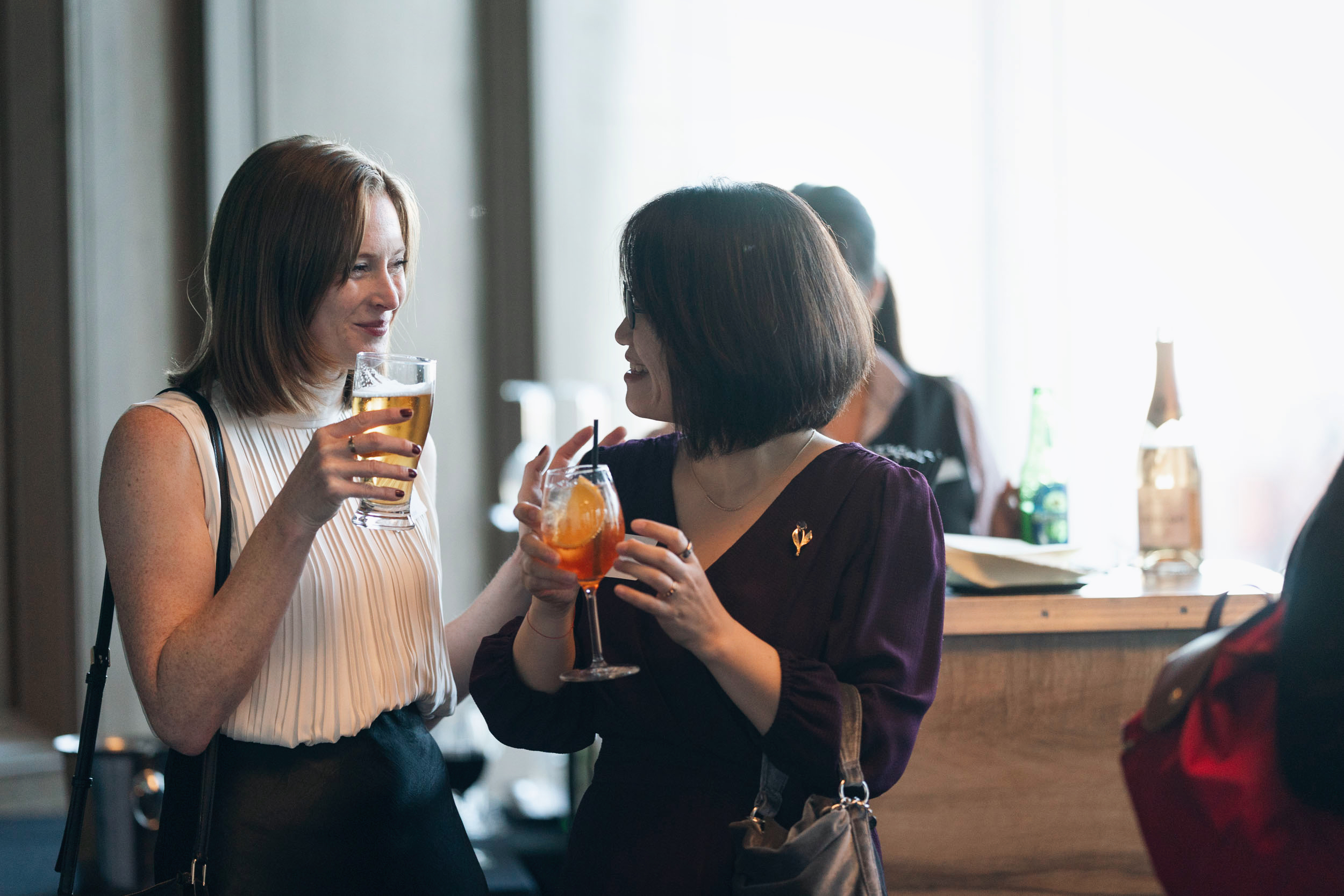
During this corporate cocktail reception at Hilton Quebec, guests arrived, connected and departed over a two-hour period. I had plenty of time to make several rounds of the room, capture candid conversations and photograph the atmosphere, including the live music.
For this reception, extending the photography coverage would mainly have resulted in similar images. However, if your reception includes a speech or an important announcement, its timing can help determine the ideal coverage period.
A few hours of photography can be enough to capture the key moments of a reception. During this fundraising cocktail reception at Le Bonne Entente, two and a half hours allowed me to document guest interactions, speeches and the cheque presentation.
4 Hours for a Project Unveiling and Cocktail Reception
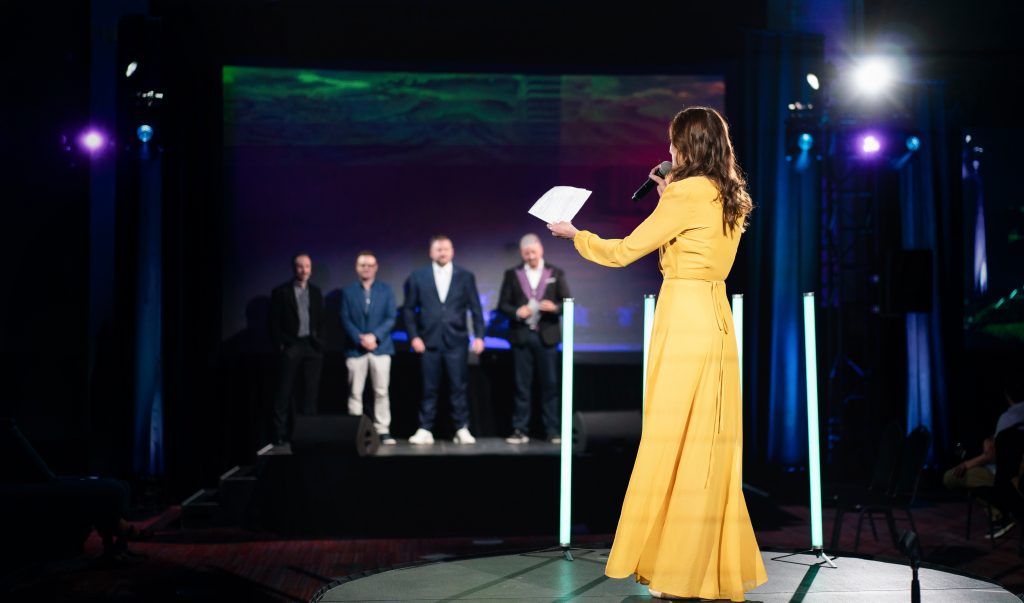
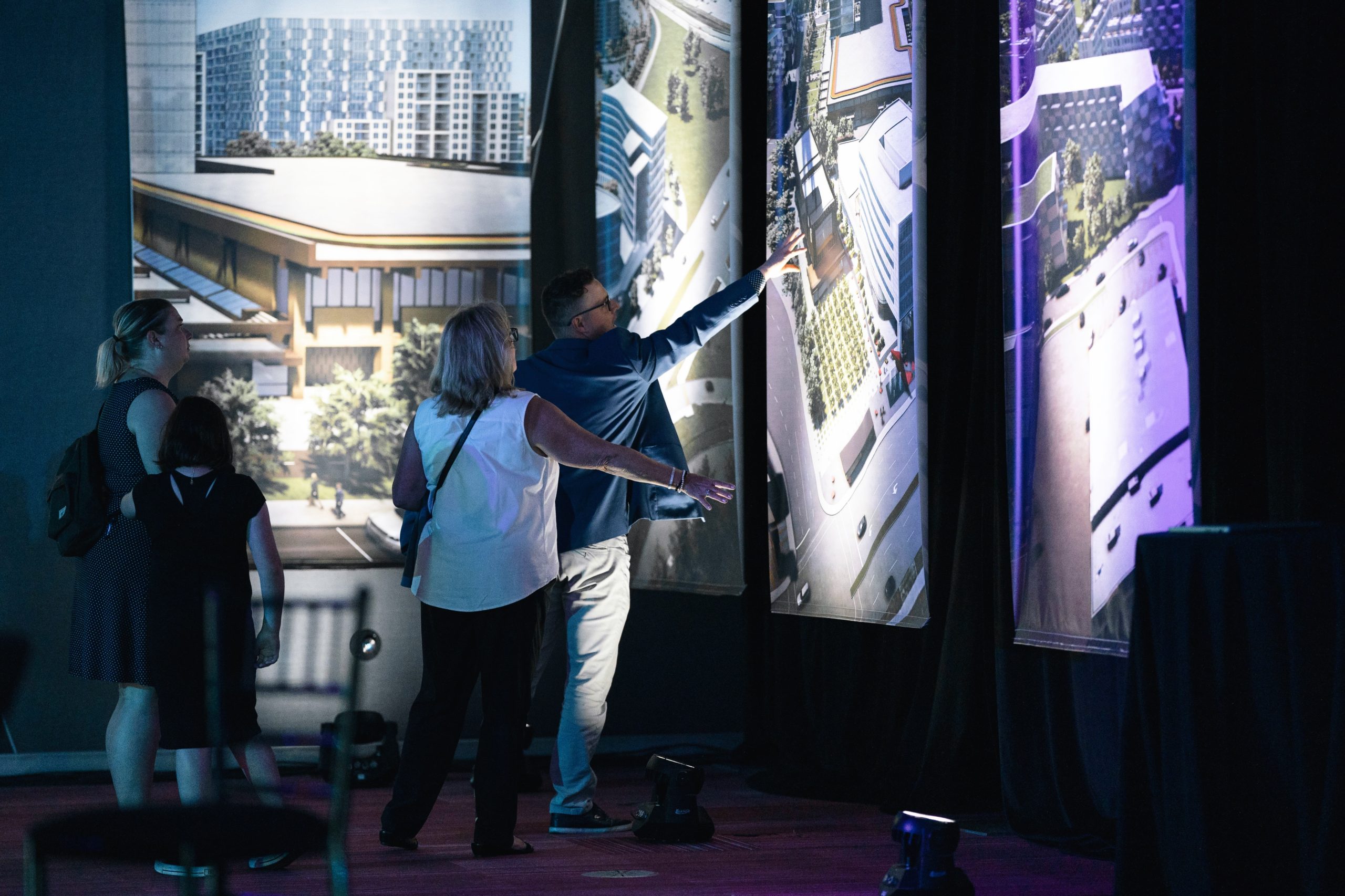
During the Fleur de Lys project unveiling in Quebec City, the program included four hours of activities. The team first presented the project on stage. The cocktail reception that followed gave guests an opportunity to ask the organizers questions and explore the exhibition booths.
Both parts of the event were worth photographing. During the presentations, I captured the speakers and the project announcement. Then, throughout the reception, I photographed guests examining the architectural model, exchanging ideas around the presentation boards and discovering details of the future neighbourhood.
9 Hours for a Conference in Montreal
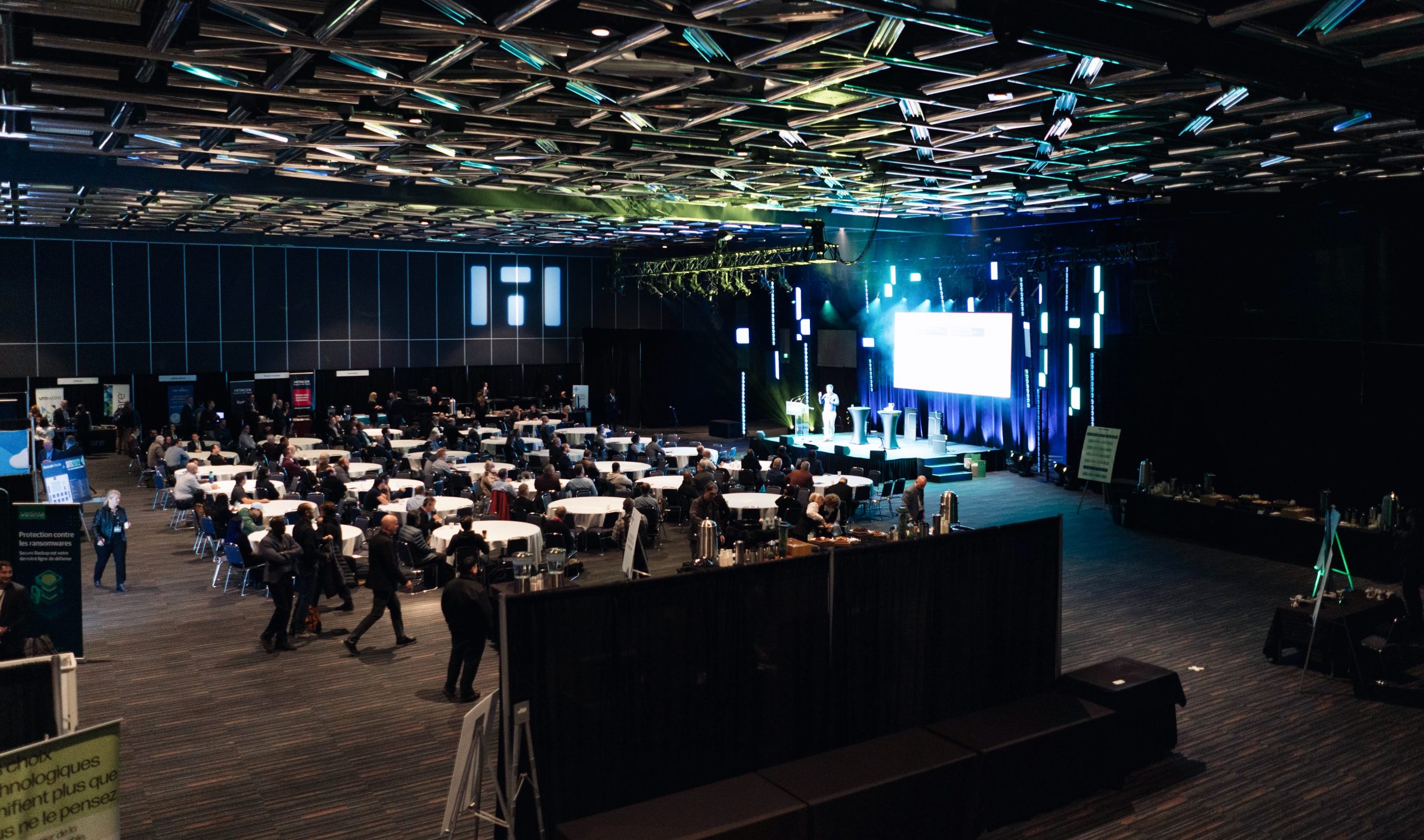
For this technology conference in Montreal, I provided nine hours of photography coverage, from the opening presentations to the beginning of the evening cocktail reception.
The program included presentations on the main stage, 25 conference sessions in separate rooms, and an exhibition area with several booths.
A full day of coverage allowed me to move between rooms and photograph different aspects of the conference throughout the day. If your program includes simultaneous activities, identify which sessions must appear in the final gallery.
This information helps me plan my movements throughout the venue and determine what can realistically be covered.
For a Gala, Start with the Award Ceremony
First, identify the time of the first and last award presentations. Then, consider the other moments you would like photographed.
Guest arrivals and the welcome reception may justify starting photography coverage earlier. If you would also like portraits of the award recipients after they leave the stage, plan a suitable location and allow a few extra minutes to bring them together.
How to Determine Your Event Photography Coverage
First, identify the three moments you definitely want to see in your final gallery.
Next, note the scheduled time of the first and last moments.
Finally, allow some additional time if you would like photographs of the decor before guests arrive, if the program may run late or if activities take place in multiple rooms.
Coverage duration is one of the factors that influence your photography budget. To better plan your investment, explore my guide to event photography pricing in Quebec City.
Unsure how many hours of event photography coverage you need? Even a preliminary schedule is enough to start the conversation. I can help you choose a coverage period that reflects your priorities. Let’s discuss your event.